
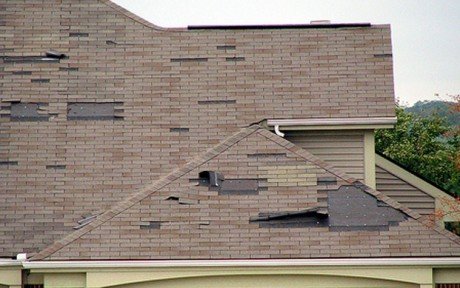
North Carolina weather is famously unpredictable. A calm, overwhelmingly humid summer
afternoon in Wake County can turn into a violent, localized thunderstorm with 60 MPH wind
gusts and damaging hail in a matter of minutes. Add in the annual threat of fall hurricane
remnants pushing through the Triangle, and your roof is constantly on the front lines defending
your home.
While downed tree limbs, scattered debris, and flooded streets are obvious signs of a severe
storm, the damage done to your roof is often completely invisible from the ground. Many
homeowners assume that if all their shingles are still attached and there is no active drip in the
living room, their roof survived unscathed.
Unfortunately, this assumption costs homeowners thousands of dollars every year. Ignoring the
need for a professional roof storm damage repair in Wake County can lead to denied insurance
claims, toxic mold growth, and severe structural rotting down the road. Here is what every
homeowner needs to know about identifying and addressing storm damage.
The Invisible Threat of High Winds
Most people think wind damage is obvious—they expect to see large patches of bare wood
where shingles were completely violently torn off. However, the most insidious wind damage is
much harder to spot.
During severe Wake County thunderstorms, high winds can cause a phenomenon known as
“shingle uplift.” This occurs when wind gets underneath the edge of a shingle and lifts it upward,
breaking the critical adhesive seal that binds it to the row below. Once the storm passes and the
wind dies down, the shingle simply lays back flat, looking perfectly normal to the untrained eye.
However, that waterproof seal is permanently compromised. The next time it rains, water will
easily be blown underneath that loose shingle, soaking the underlayment and eventually rotting
your wooden roof deck.
Identifying Hail Damage Before It Leaks
Hail is an asphalt roof’s absolute worst enemy. It doesn’t take baseball-sized hail to ruin a roof;
even small, dime-to-quarter-sized hail driven by high winds can permanently destroy the
integrity of your shingles.
When a hailstone strikes an asphalt shingle, it acts like a hammer. It fractures the fragile
fiberglass matting inside the shingle and violently dislodges the protective outer granules.
Key Signs of Hail Damage to Look For:
● Shingle Bruising: Small, circular dents or dark “bruises” on the shingles where granules
have been knocked away, exposing the black asphalt underneath.
● Collateral Metal Damage: Asphalt is tough to read, but metal doesn’t lie. Look for dents
in your metal gutters, downspouts, roof vents, or the fins of your outdoor AC unit. If the
metal is dented, your roof took a beating.
● Granule Loss: Check the ground around the base of your downspouts. If you see a
heavy accumulation of sand-like granules after a storm, your roof has suffered significant
impact damage.
Why You Must Act Quickly (The Insurance Clock)
When a storm hits, the clock starts ticking. Homeowners insurance policies typically have strict
time limits for filing a claim after a severe weather event—often ranging from 6 to 12 months.
If you wait a year and a half to report a roof leak that originally started during a major spring hail
storm, your insurance company will likely send an adjuster out, identify the old storm damage,
and deny the claim. They will cite “negligence” or “standard wear and tear” because you failed
to address the issue promptly. Having a professional document the damage immediately
ensures you have the evidence needed to file a successful claim and get your roof repaired or
replaced for little more than your deductible.
Your Immediate Action Plan After a Wake County Storm
If a heavy storm just rolled through your neighborhood, take these steps to protect your property
and your wallet:
Post-Storm Safety Checklist:
- Stay Off the Roof: Walking on a damaged, wet roof is incredibly dangerous. Leave the
climbing to insured professionals. - Do a Ground Check: Walk the perimeter of your house looking for shingle fragments in
the yard, dented gutters, or fallen branches resting on the roofline. - Check the Attic: Take a flashlight into your attic during the next rainstorm to look for
active drips or new wet spots on the wood. - Call a Local Professional: Do not rely on out-of-town “storm chasers” who knock on
your door after a storm. Call a trusted, local Wake County roofer who understands local
building codes and will be around to honor their warranty.
Trust G3 Roofing for Your Storm Damage Repair
If a severe weather event recently rolled through Wake County, don’t wait for a water stain on
your ceiling to confirm the damage. Contact G3 Roofing for a comprehensive, no-obligation roof
inspection.
Our highly trained team knows exactly what insurance adjusters look for. We will thoroughly
document any wind or hail damage, walk you through the repair process, and ensure your home
is properly protected against the next big Carolina storm.