
Replacing a roof is one of the most significant investments you will ever make in your home.
Naturally, the best way to maximize that investment and protect your property is through
proactive, regular maintenance.
In Raleigh, our roofs are exposed to a notoriously harsh and unpredictable mix of elements.
Over the course of a single year, your shingles have to survive the intense UV rays of July, the
remnants of tropical storms blowing through Wake County in September, and the freezing rain
and ice storms of January. This constant cycle of extreme heat, heavy moisture, and freezing
temperatures causes roofing materials to rapidly expand and contract, accelerating the aging
process.
If you want your asphalt shingles to last their full 20-to-30-year expected lifespan, you cannot
simply install them and forget them. Follow these top roof maintenance tips for Raleigh
homeowners to keep your roof strong and your home safe year-round.
1. Keep Your Gutters Clear and Flowing
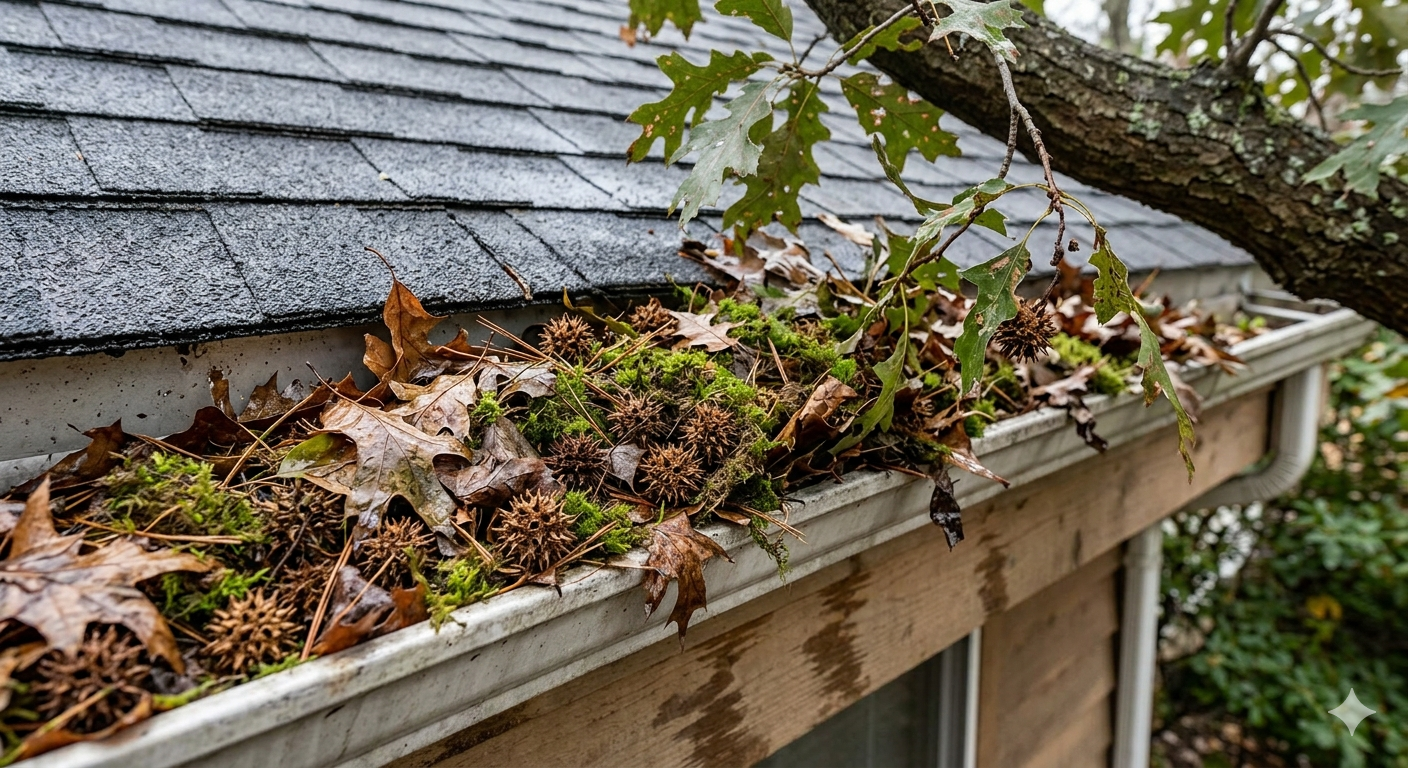
It seems like a simple weekend chore, but clogged gutters are actually one of the leading
causes of severe roof damage in North Carolina. Raleigh isn’t called the “City of Oaks” for
nothing. Throughout the year, oak leaves, pine needles, and sweetgum balls constantly
bombard your roof and wash down into your gutter system.
The Danger of Clogged Gutters
When your gutters are clogged with debris, rainwater has nowhere to go. During a heavy spring
downpour, that water backs up, pools in the gutters, and eventually flows backward underneath
your lowest row of shingles. This constant exposure to standing water will quickly rot your
wooden fascia boards and allow moisture to seep directly into your attic. To prevent this, your
gutters should be cleaned thoroughly at least twice a year—once after the heavy pollen and tree
droppings in late spring, and once after the leaves fall in late autumn.
2. Trim Back Overhanging Tree Branches
While large, mature trees provide beautiful shade and help keep your summer cooling bills
down, branches hanging directly over your roofline are a major hazard.
Preventing Physical and Organic Damage
During high winds or severe thunderstorms, overhanging branches constantly scrape and whip
against your shingles. This friction violently tears off the protective asphalt granules, leaving the
fiberglass matting exposed to the sun.
Furthermore, heavily shaded areas of your roof take much longer to dry out after a rainstorm. In
Raleigh’s incredibly humid climate, a roof that stays constantly damp becomes the perfect
breeding ground for destructive moss, algae, and lichen. Trimming branches back at least 10
feet from your roofline allows sunlight to keep the shingles dry and prevents physical scraping.
3. Safely Remove Moss, Algae, and Debris
If you look up at your roof and see dark black streaks or green, fuzzy patches, do not ignore it.
The black streaks are a type of airborne algae called Gloeocapsa magma, which actually feeds
on the crushed limestone filler used in modern asphalt shingles.
Moss is even worse; it acts like a thick green sponge, holding rainwater directly against your
roof and forcing its roots underneath the shingles, lifting them up and breaking their waterproof
seal.
How to Clean Your Roof Safely
Never use a high-pressure power washer to clean an asphalt roof. The immense water pressure
will instantly strip away the protective granules and ruin the shingles. Instead, hire a
professional who uses a “soft wash” system—a low-pressure chemical treatment that safely kills
the organic growth without damaging the roofing materials.
4. Inspect and Maintain Your Roof Flashing
Flashing is the critical sheet metal material used to seal the vulnerable joints and valleys of your
roof, particularly around your chimney, skylights, and plumbing vent pipes.
Over time, Raleigh’s drastic temperature fluctuations cause the caulk and specialized roofing
sealant around this metal flashing to dry out, crack, and pull away. When roofing contractors
track down the source of a mysterious interior ceiling leak, compromised flashing is the culprit
nine times out of ten. Having the sealant checked and touched up periodically is a cheap, easy
way to prevent a massive headache.
5. Schedule an Annual Professional Roof Inspection
The absolute best way to extend the life of your roof and catch minor issues before they
become major emergencies is to have a trained set of eyes evaluate it once a year.
A professional roofer can spot tiny, nearly invisible issues—like a single backed-out nail, a
cracked rubber pipe boot, or a micro-fracture in a shingle. Fixing a minor problem for a few
dollars today is vastly cheaper than replacing thousands of dollars worth of water-damaged
drywall and insulation tomorrow.
Protect Your Investment with G3 Roofing
Don’t wait for a drip in your living room to start thinking about the health of your roof. Stay ahead
of the unpredictable Raleigh weather by partnering with the local experts at G3 Roofing. We
offer comprehensive maintenance inspections to ensure your roof is structurally sound, properly
sealed, and ready for whatever Mother Nature throws at it next. Contact us today to schedule
your evaluation.